

Most postcards are meant to send warm wishes or celebrate happy occasions. But in 1907, Austrian artist Rudolf Kalvach had a rather different approach.
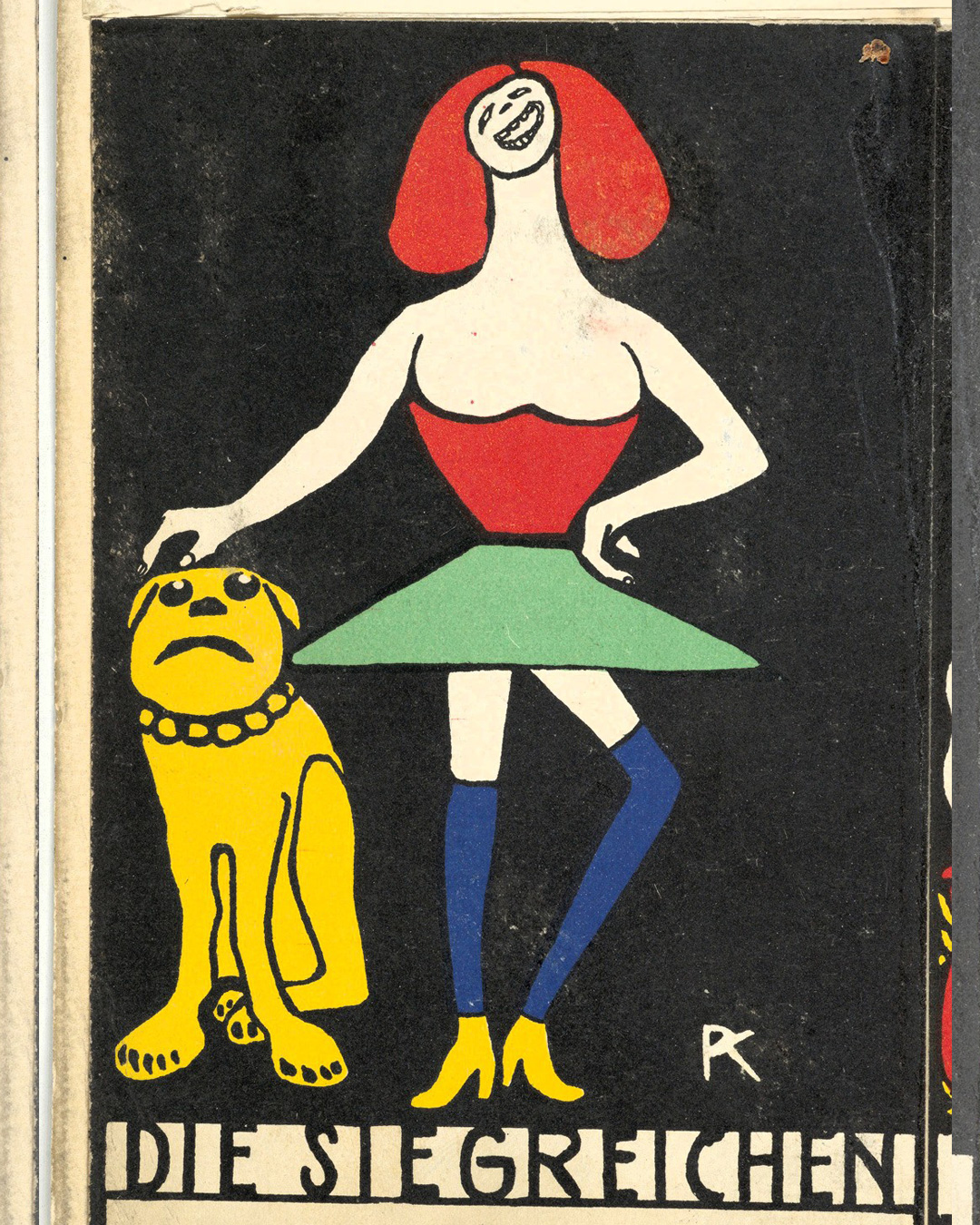
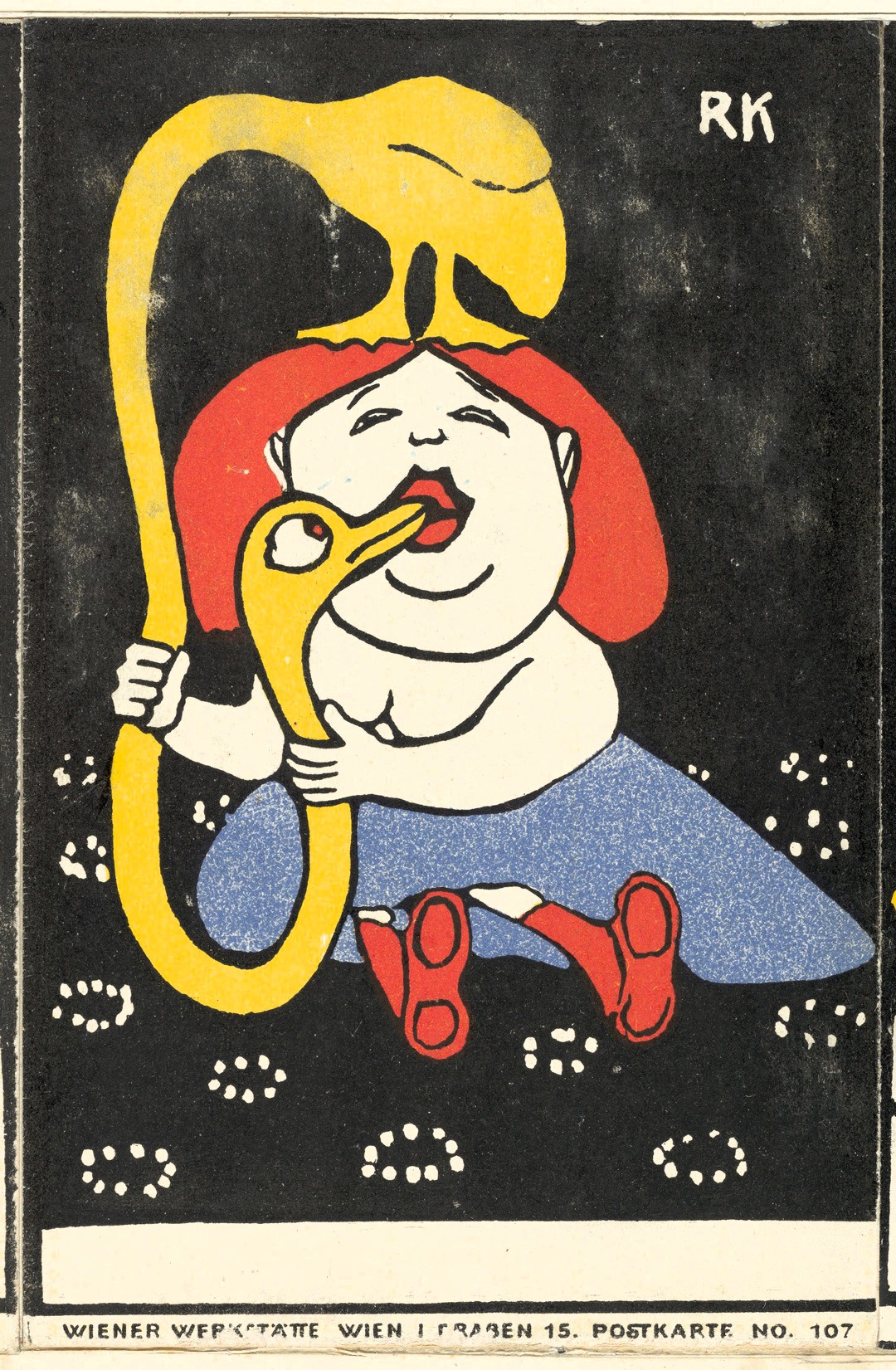
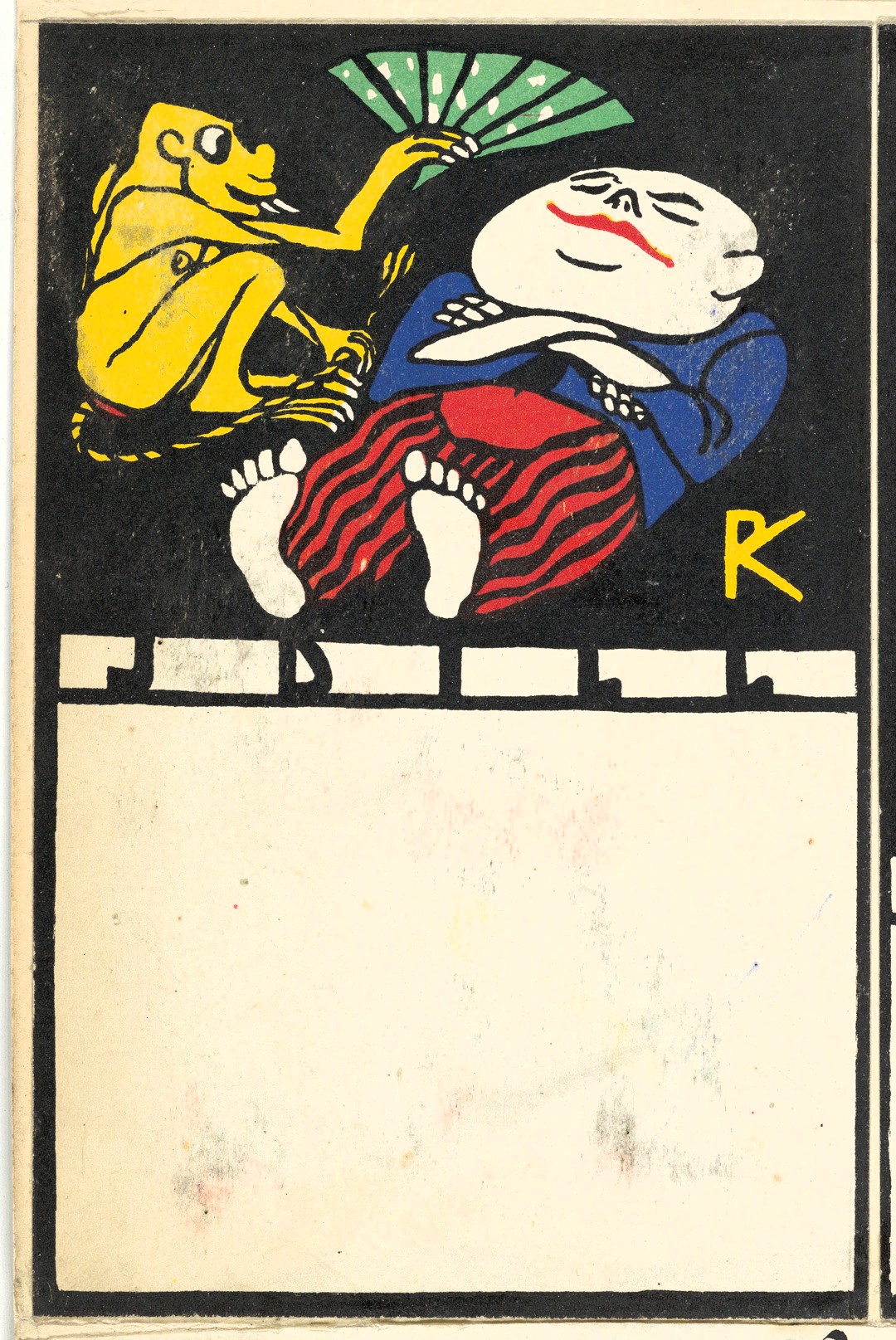
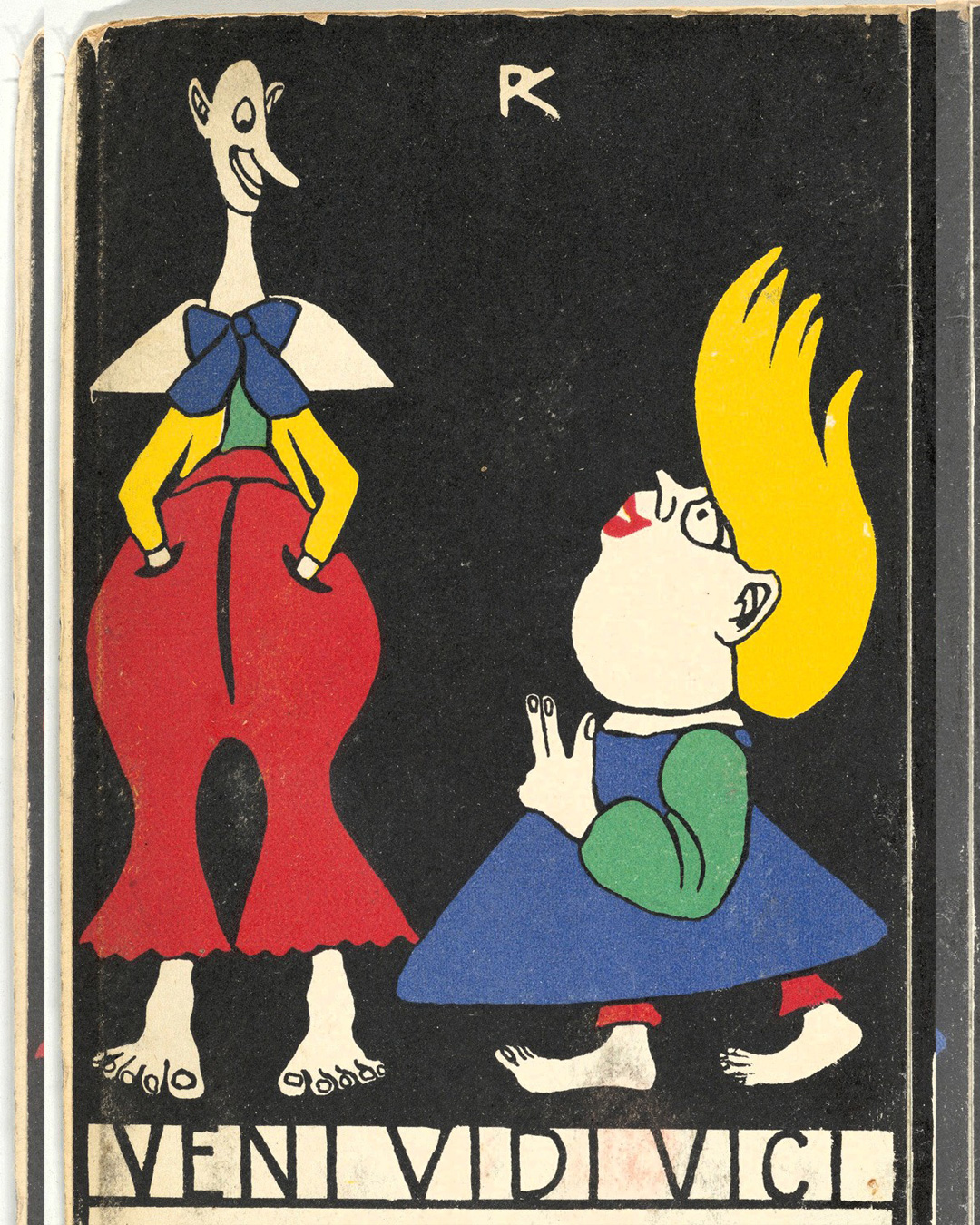
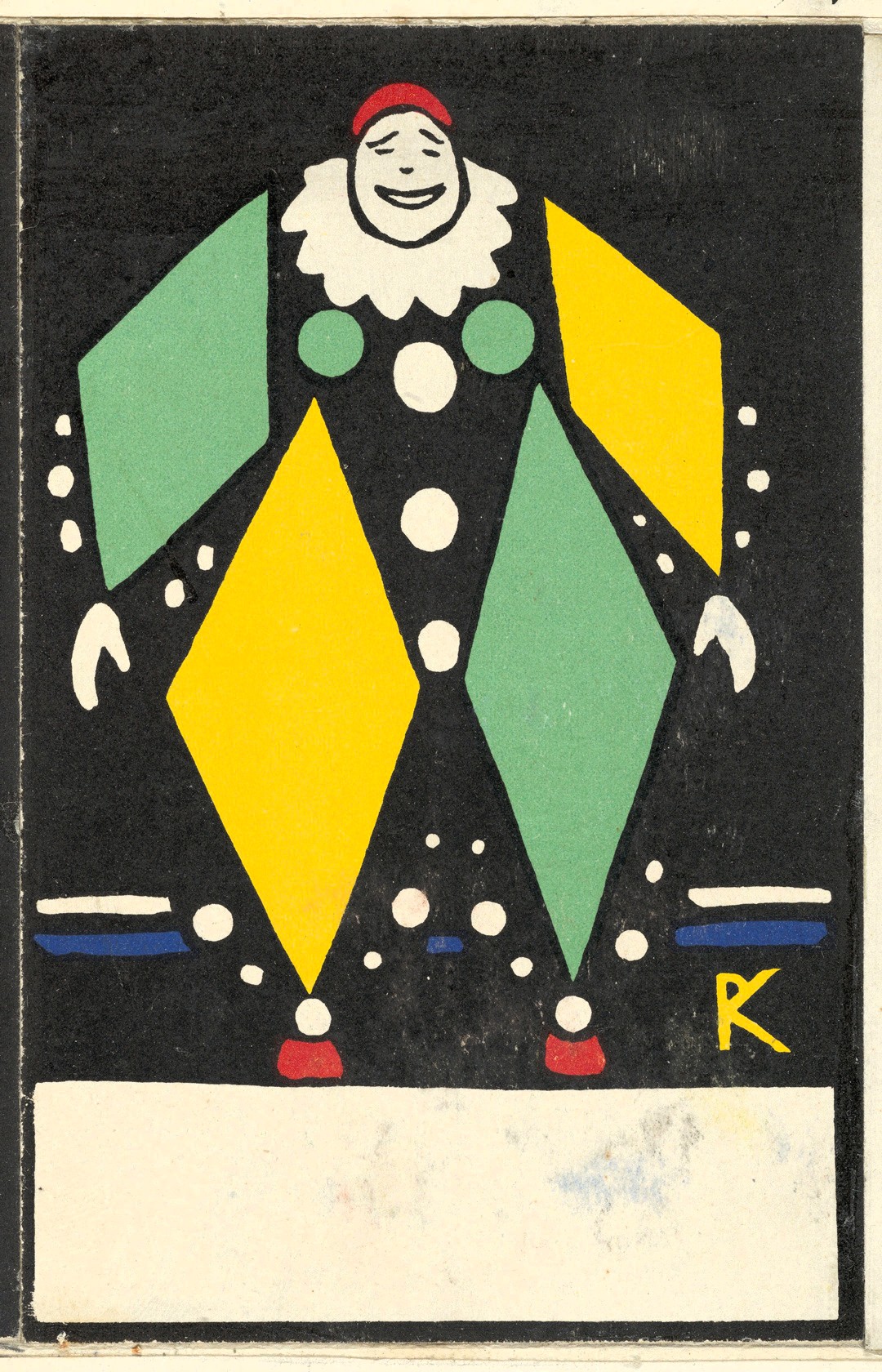
He created a series of unusual postcards that turned marriage, motherhood, family life, and everyday situations into scenes filled with dark humor, strange creatures, and exaggerated characters.
Kalvach (1883–1932) designed 21 postcards for the Wiener Werkstätte, an influential art and design workshop in Vienna. While some featured traditional birthday and name-day greetings, others offered a much less sentimental view of life.
Unusual greeting cards were nothing new. Victorian-era artists had also created some surprisingly strange designs, as seen in these unusual Victorian Christmas cards.
A Strange Sense of Humor
Kalvach had a particular talent for making familiar subjects look absurd.
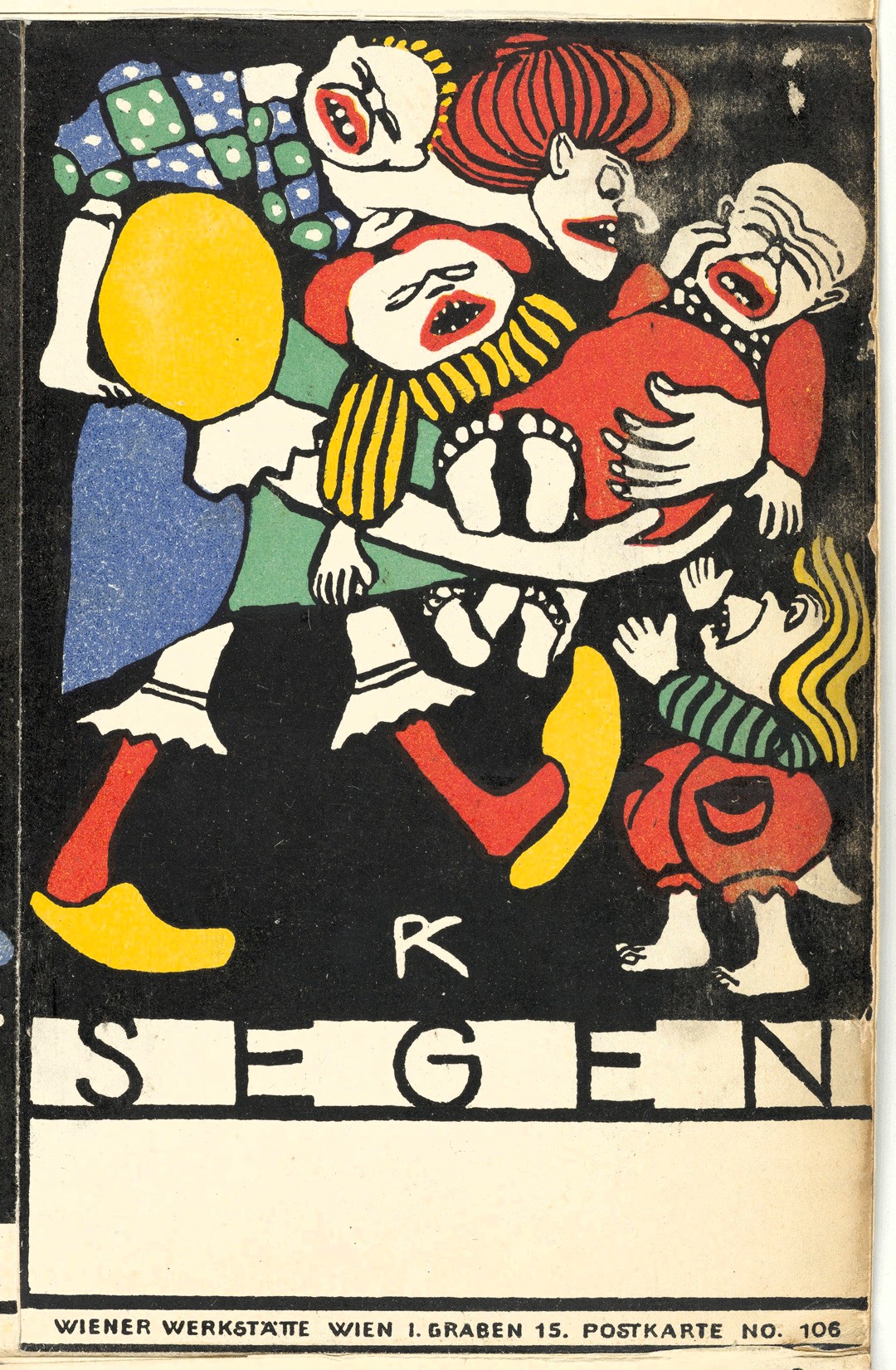
In Blessing, a mother bends under the weight of her screaming children, turning the traditional idea of children as a blessing into a humorous scene of family chaos.
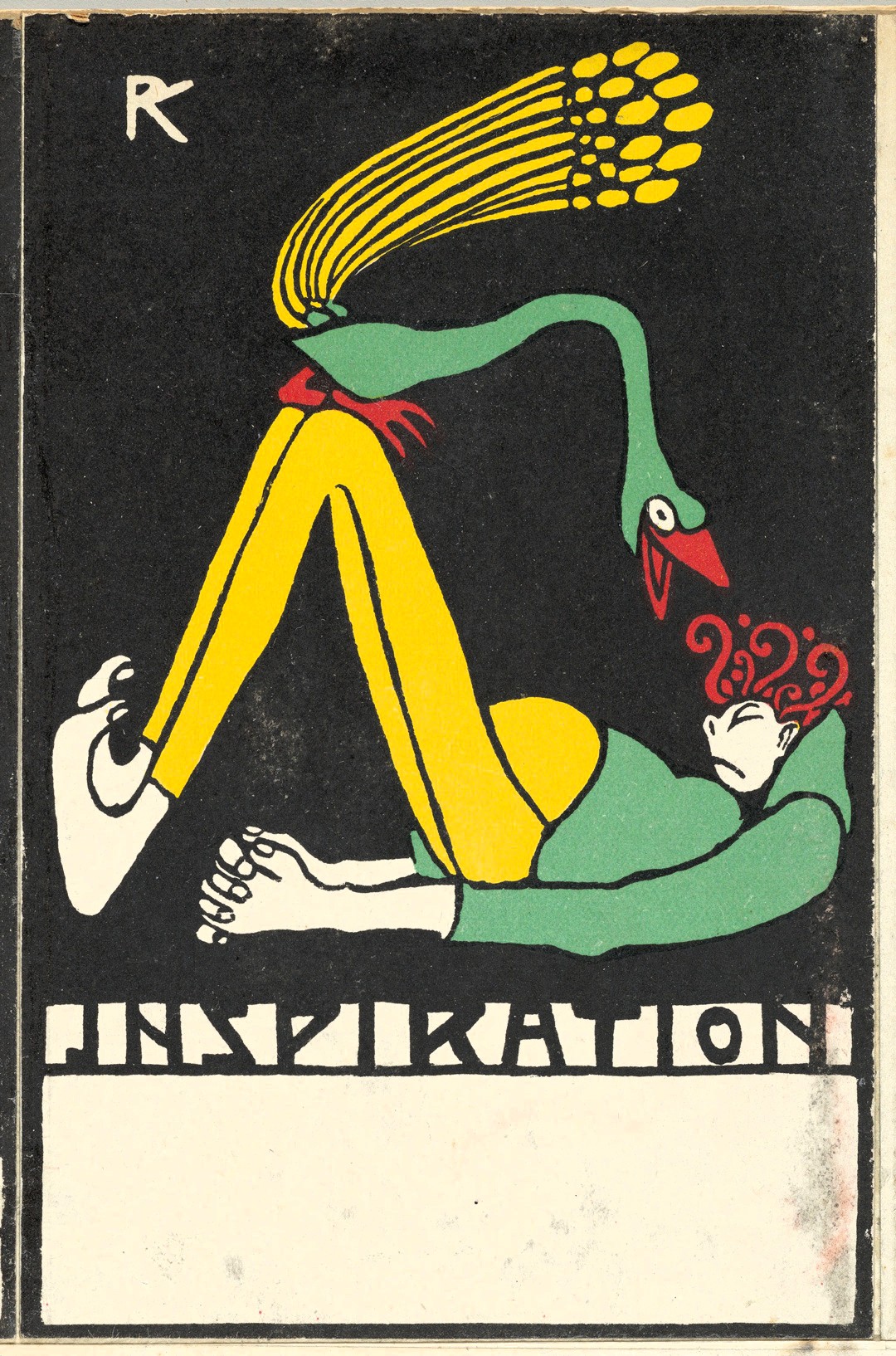
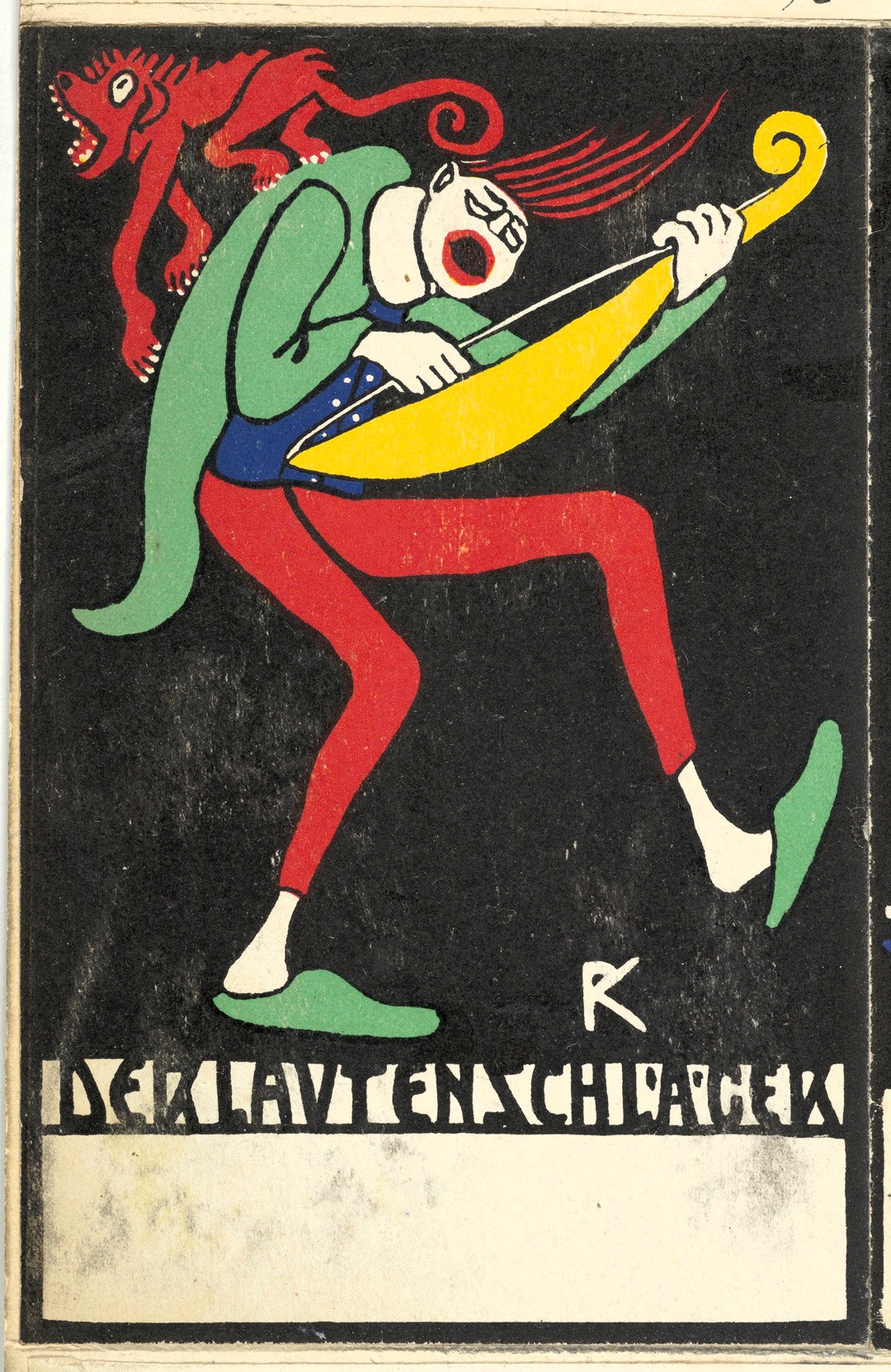
In Inspiration, a strange bird torments a slumped young man, while The Lute Player features a musician accompanied by an unsettling creature.
His illustrations combined bold outlines, vivid colors, and distorted figures. The result was a distinctive visual style that stood apart from the more decorative Art Nouveau designs popular in Vienna at the time and anticipated elements of Expressionism.
The Postcards That Became Collectibles
Founded in 1903, the Wiener Werkstätte aimed to bring artistic design into everyday life. Its artists created everything from furniture and household objects to textiles and graphic works.
Postcards became one of its most popular artistic formats. Between 1907 and the beginning of World War I, the workshop produced nearly 1,000 postcard designs by different artists.
But here’s an interesting detail: many of these postcards were never actually sent.
Around the same period, other artists were imagining the future through illustrated postcards, including a remarkable series of postcards predicting life in the year 2000
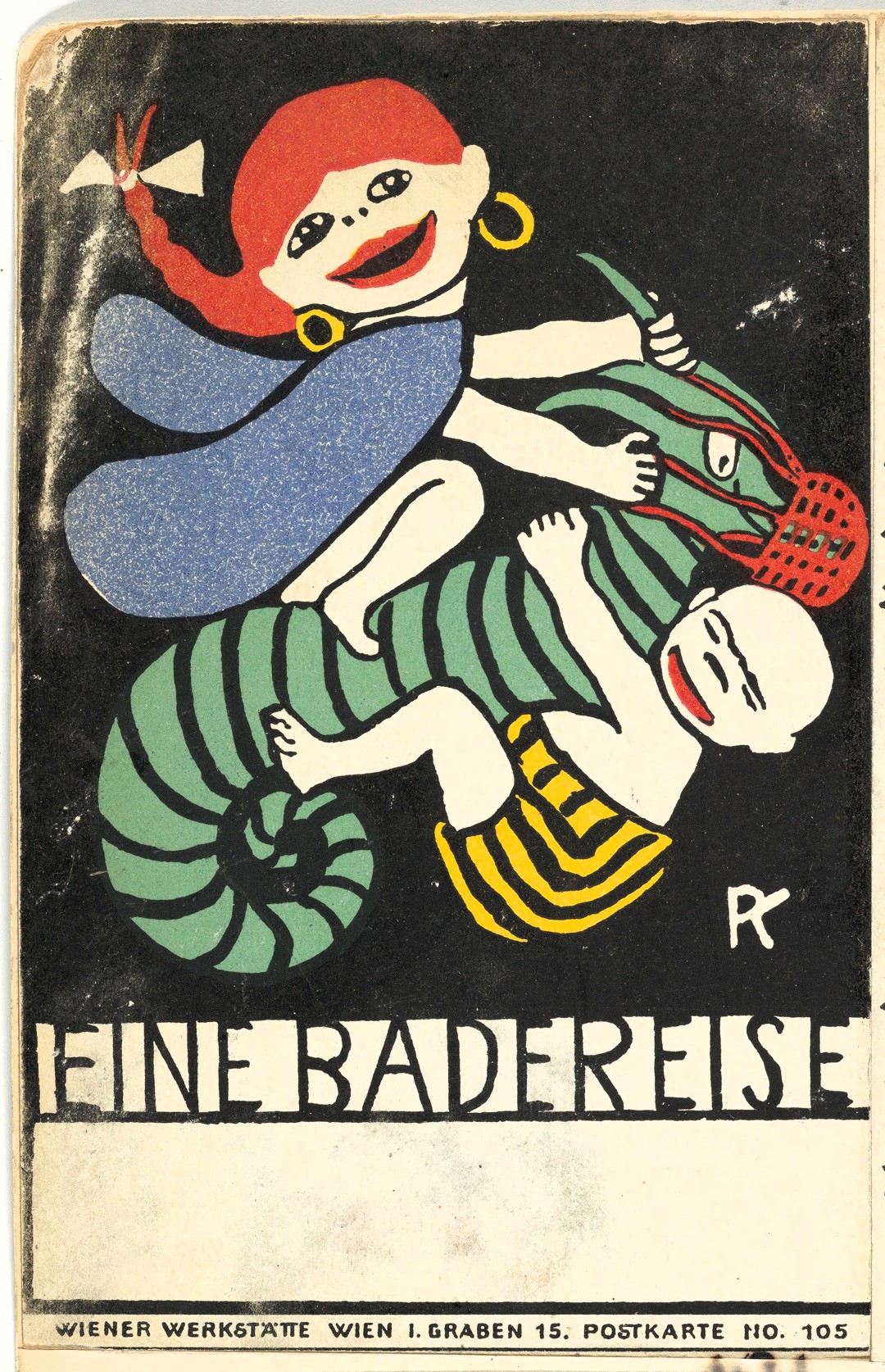
Leonard A. Lauder, a major collector of Wiener Werkstätte postcards, reported that approximately 95% of the examples he had seen had never been written on. People were often buying them as miniature works of art rather than using them for correspondence.
Kalvach’s designs are particularly collectible today because they were produced in a single print run.
More than a century later, these little works of art offer a fascinating look at the playful, satirical, and unconventional side of early 20th-century Viennese design.
Artist: Rudolf Kalvach (1883–1932)
Year: 1907
Images: The Metropolitan Museum of Art / Wikimedia Commons (Public Domain).
Sources and further reading:
- The Public Domain Review — Rudolf Kalvach’s Wiener Werkstätte Postcards (1907)
- The Metropolitan Museum of Art — Blessing (Segen), 1907
24 Interesting Valentine’s Postcards From the Victorian and Edwardian Eras
